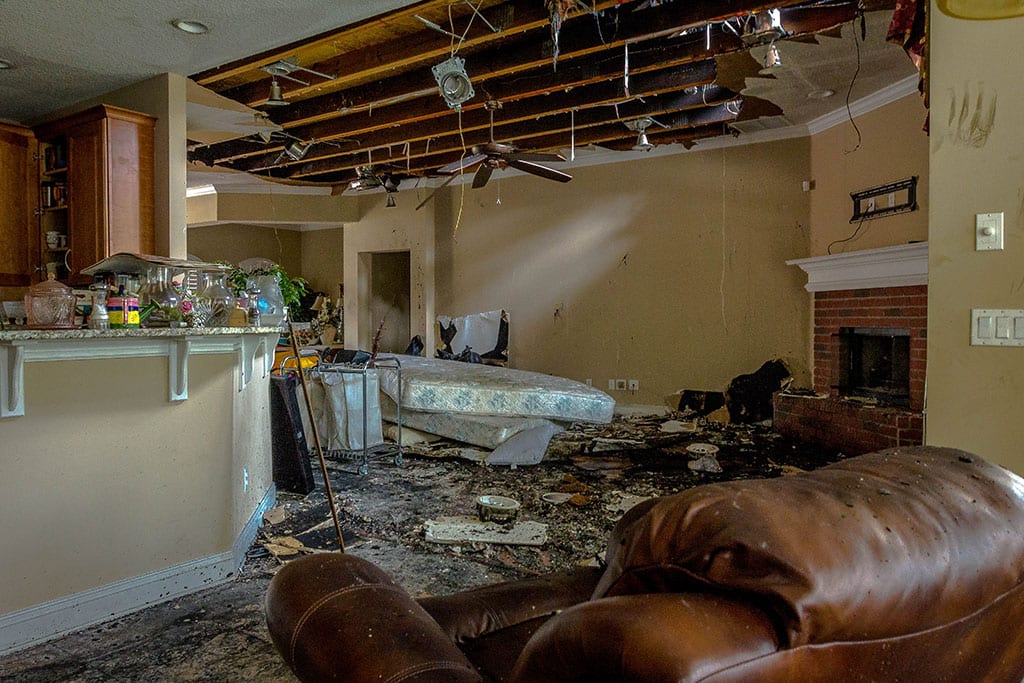
Water damage is one of the most common and most misunderstood problems property owners face. Whether the source is a burst pipe, appliance failure, storm flooding, or hidden moisture buildup, water can quickly spread beyond what’s visible on the surface. What starts as a small leak can turn into extensive structural damage if not addressed properly.
Understanding what happens after water enters a property and how professional restoration works can help you make informed decisions when it matters most.
How Water Damage Spreads Faster Than Most People Realize
Water doesn’t stay in one place. Once it enters a structure, it follows gravity, absorbs into materials, and moves through hidden pathways. Drywall, insulation, wood framing, flooring, and subfloors all absorb moisture at different rates. Even materials that appear dry on the surface may be holding water internally.
This is why water damage often extends far beyond the original source. A leak on one level can affect rooms below. Moisture can travel behind walls, under flooring, and into structural components without immediate visual signs.
Left untreated, this trapped moisture can weaken materials, cause odors, and create conditions that lead to mold growth.
Why Quick Action Matters With Water Damage
Time plays a critical role in water damage restoration. The longer water sits, the more damage it can cause. Within hours, materials begin absorbing moisture. Within days, structural deterioration and secondary issues may develop.
Prompt action helps:
- Limit how far water spreads
- Reduce the amount of material that needs to be removed
- Lower overall repair costs
- Prevent long-term moisture problems
Professional restoration focuses on stopping the damage early rather than reacting to larger problems later.
The Hidden Risks of Water Damage
Water damage is not just about wet floors or visible stains. Some of the most serious issues happen out of sight.
Hidden moisture can:
- Weaken wood framing and substructures
- Cause flooring to warp or separate
- Damage drywall and insulation
- Lead to persistent odors
- Increase the risk of mold growth
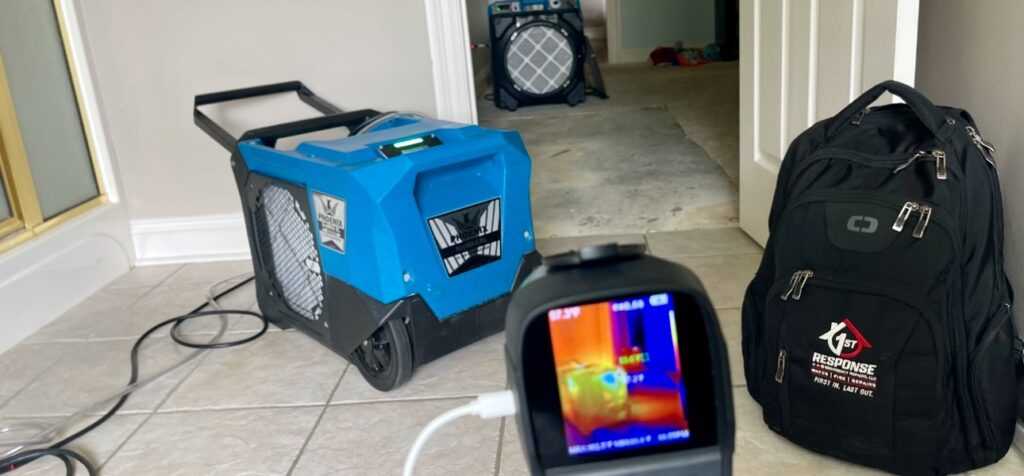
Because these problems often develop behind walls or under surfaces, professional moisture detection is essential to identify the full extent of the damage.
What Professional Water Damage Restoration Involves
Water damage restoration is a structured process designed to restore safety and stability, not just remove visible water.
The process typically includes:
1. Inspection and Assessment
Professionals evaluate affected areas, identify moisture intrusion points, and determine how far the damage has spread.
2. Water Removal
Standing water is extracted using specialized equipment to prevent further absorption into materials.
3. Drying and Dehumidification
Industrial-grade air movers and dehumidifiers are used to remove moisture from walls, floors, and structural components.
4. Monitoring and Adjustment
Moisture levels are checked regularly to ensure drying is progressing properly.
5. Final Restoration
Once moisture levels are stabilized, repairs and reconstruction can begin as needed.
Why DIY Water Cleanup Often Falls Short
While surface water can sometimes be removed with household tools, DIY efforts rarely address moisture trapped inside building materials. Without proper drying equipment and moisture detection tools, water can remain hidden and continue causing damage.
Professional restoration ensures:
- Moisture is fully removed, not just dried on the surface
- Materials are evaluated for safety and stability
- Long-term issues are prevented
Moving Forward After Water Damage
Water damage can feel overwhelming, especially when it disrupts daily life or business operations. Understanding how water spreads and why professional restoration is important can help you respond quickly and confidently.
The goal of water damage restoration is not just cleanup — it’s restoring the property to a safe, functional condition and preventing future issues before they start.