When people think about fire damage, flames usually come to mind first. But in many cases, smoke and soot cause more widespread and lasting damage than the fire itself. Even small fires can leave behind contamination that affects walls, ceilings, air quality, and structural materials.
Fire damage restoration goes far beyond cleaning up burned areas, it’s about addressing what fire leaves behind.
How Fire Affects a Property Beyond Burned Areas
Fire produces heat, smoke, soot, and corrosive byproducts. These elements travel far beyond the source of the fire and can affect areas that were never touched by flames.
Smoke and soot can:
- Discolor walls and ceilings
- Penetrate porous materials
- Create persistent odors
- Damage electronics and appliances
- Corrode metal surfaces
Because smoke travels through airflow, it can reach rooms far away from the fire source, including ventilation systems.
Why Soot Is Especially Harmful
Soot is made up of tiny particles that settle on surfaces and embed themselves into materials. It is often acidic, which means it can cause corrosion and long-term damage if not removed properly.
Different fires produce different types of soot depending on what burned. Cleaning methods must be matched to the type of residue present, improper cleaning can spread contamination or cause additional damage.
Water Damage After a Fire
Firefighting efforts often introduce significant amounts of water into a property. While this water helps extinguish flames, it creates additional challenges.
Fire-related water damage can:
- Saturate floors and walls
- Compromise structural materials
- Increase the risk of mold growth
- Delay the restoration process if not addressed promptly
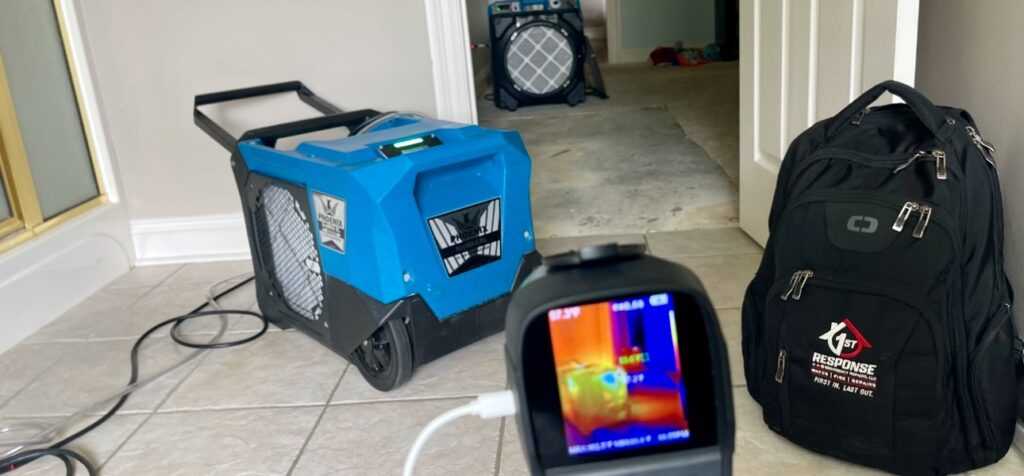
Fire damage restoration must address both fire-related contaminants and water intrusion simultaneously.
The Fire Damage Restoration Process
Professional fire damage restoration follows a careful, methodical approach:
1. Assessment and Safety
Evaluation Affected areas are inspected for structural integrity, smoke spread, and contamination levels.
2. Debris Removal and Stabilization
Damaged materials are removed and unstable areas are secured.
3. Soot and Smoke Cleaning
Specialized techniques are used to clean surfaces without spreading residue.
4. Odor Control
Advanced deodorization methods address lingering smoke odors at the source.
5. Final Restoration
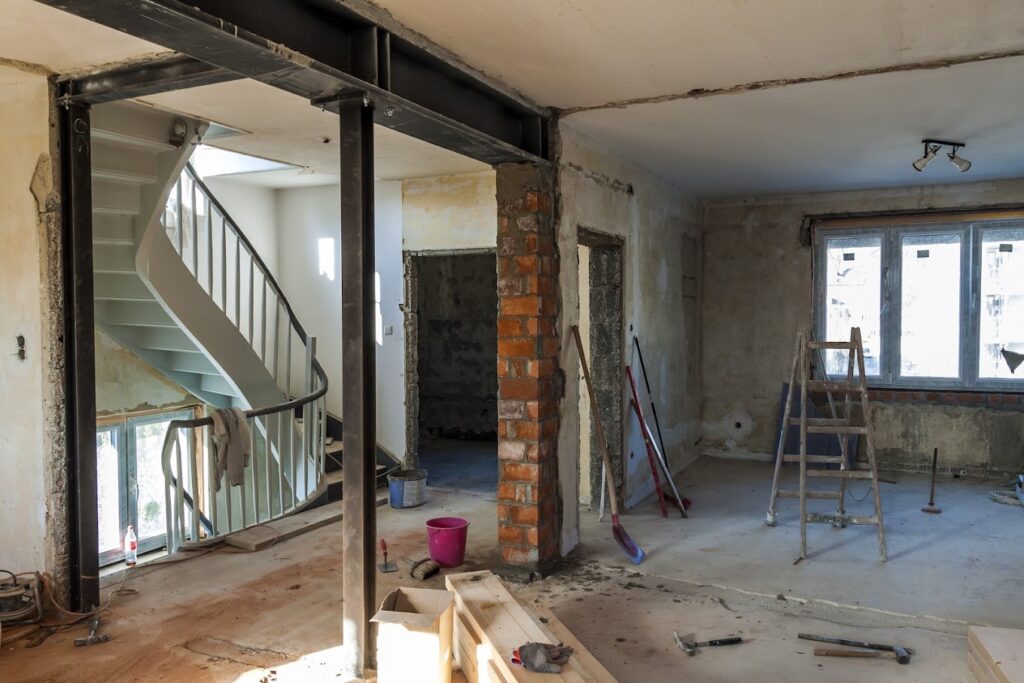
Repairs and reconstruction return the property to a safe, usable condition.
Why Fire Damage Should Never Be Ignored
Even after visible damage is cleaned, hidden contamination can continue to cause problems. Lingering soot can lead to corrosion, staining, and odor recurrence. Structural materials weakened by heat may fail over time.
Professional restoration ensures that all aspects of fire damage are addressed properly, not just what’s visible.
Restoring Peace of Mind After a Fire
Fire damage is stressful, emotional, and disruptive. A proper restoration process helps restore more than just the property, it helps restore peace of mind.
Understanding the full impact of fire damage allows property owners to take the right steps toward recovery with confidence.