
Locally Owned & Operated
Mold Remediation in Madison & St. Clair Counties
RCC Restoration provides mold remediation services for homes and businesses throughout Edwardsville, Collinsville, Glen Carbon, Troy, Maryville, Granite City, Belleville, O’Fallon, Fairview Heights, Columbia, Waterloo, and surrounding Metro East communities. Mold often develops after moisture problems, water damage, humidity, leaks, or poor ventilation. Our team helps identify affected areas, contain the problem, remove mold-damaged materials when needed, and address moisture conditions that contribute to mold growth. RCC Restoration provides professional mold remediation and restoration support throughout Madison County and St. Clair County.
If you need professional mold remediation in the Metro East, contact RCC Restoration at 618.406.5121 to discuss your property and schedule service.

Mold Remediation Services
Mold remediation involves more than wiping away visible growth. A successful restoration approach should identify affected areas, address the moisture conditions contributing to mold development, contain the work area when appropriate, remove damaged materials when necessary, and clean affected surfaces as part of a coordinated process. RCC Restoration provides professional mold remediation for homeowners and businesses throughout Madison County, St. Clair County, and the St. Louis Metro Area.
Depending on the condition of the property, remediation may involve mold inspection, professional mold removal, specialized black mold removal, or restoration following mold after water damage. These services address different stages and circumstances of mold-related property damage. Our team evaluates the property and develops a plan based on the visible conditions, moisture concerns, affected materials, and restoration needs rather than treating every mold problem the same way.
Contact RCC Restoration for professional mold remediation designed to address both affected materials and the moisture conditions contributing to the problem.

Signs You May Have Mold in Your Home or Business
Mold is not always easy to identify because growth can develop in visible areas or remain concealed behind walls, beneath flooring, around plumbing, or in other moisture-prone locations. Property owners should pay attention to physical signs of moisture as well as unusual odors or visible changes to building materials. A professional mold inspection can help evaluate areas of concern when the source is not immediately obvious. Possible signs of mold or moisture problems include:
- Visible spotting or discoloration on walls or ceilings
- Musty or earthy odors
- Mold growth around windows, plumbing, or bathrooms
- Recent flooding or unresolved water damage
- Peeling, bubbling, or stained paint
- Damp drywall, carpeting, or flooring
- High indoor humidity
- Persistent condensation
- Water stains around ceilings or walls
- Mold appearing after leaks or basement moisture
If you notice possible mold or unexplained moisture, call RCC Restoration at 618.406.5121 to request professional restoration service for your property.

Common Causes of Mold Growth
Mold typically develops where moisture is present long enough to affect building materials or indoor conditions, making mold after water damage a common concern for homes and businesses throughout the Metro East. Plumbing failures, storms, humidity, drainage problems, condensation, and other moisture sources can create conditions that support mold growth. Common causes include plumbing leaks and broken pipes, roof leaks, basement seepage or flooding, high indoor humidity, poor ventilation, and condensation around windows, pipes, or HVAC systems. Appliance leaks, sump pump failures, and water damage that was not dried thoroughly can also contribute to mold growth.
Stormwater intrusion and moisture trapped behind walls or beneath flooring may create additional concerns, even when affected areas are not immediately visible. Identifying and addressing the source of moisture is an important part of reducing the likelihood that mold will continue to develop after cleanup. Proper drying and moisture control can help address conditions that contribute to mold after water damage.
For professional help with mold caused by leaks, flooding, humidity, or hidden moisture, contact RCC Restoration before the problem spreads further.

Health Risks Associated with Mold Exposure
Mold growth can affect indoor comfort and may be a concern for occupants, especially when contamination is widespread or moisture conditions continue over time. Individual reactions to mold can vary, and people with allergies, asthma, respiratory sensitivities, or other health concerns may be more sensitive to certain indoor environments. Because specific health effects depend on many factors, medical concerns should be discussed with a qualified healthcare professional.
From a property restoration standpoint, visible or suspected mold should be addressed carefully rather than disturbed unnecessarily. Improper handling can spread spores or contaminated dust to surrounding areas. Professional remediation focuses on containment, removal of affected materials when appropriate, cleaning, moisture control, and restoration. When property owners are specifically concerned about dark or extensive growth, professional black mold removal may be part of the recommended restoration process.
If mold growth is affecting the comfort or condition of your property, call RCC Restoration at 618.406.5121 for professional remediation and cleanup services.

Our Mold Remediation Process
A structured mold remediation process helps address affected materials while identifying the moisture conditions that allowed mold to develop. RCC Restoration evaluates each property and determines the appropriate steps based on the location, extent of growth, materials affected, moisture conditions, and overall restoration needs. The process typically begins with an inspection to identify visible mold and moisture concerns, followed by an evaluation to locate leaks, water intrusion, humidity issues, or other contributing conditions. When necessary, affected areas are contained to help limit the spread of debris and contaminants.
Mold-damaged materials that cannot be restored may then be removed, while remaining surfaces are cleaned and treated as needed. Damp materials and contributing moisture conditions are addressed through drying and moisture control. Damaged areas can then be repaired or reconstructed, when necessary, followed by a final review to confirm the planned remediation work is complete.
Contact RCC Restoration for an organized mold remediation process designed around the specific conditions in your home or business.

Professional Mold Inspection & Testing
When mold is visible, suspected, or connected to a moisture problem, a professional mold inspection can help identify areas that require closer attention. RCC Restoration provides mold inspection services throughout Madison County, St. Clair County, and surrounding Metro East communities. The inspection process may include evaluating visible growth, looking for water staining or moisture damage, checking common problem areas, and identifying conditions that may contribute to mold development.
Not every mold situation requires the same type of testing or assessment. The need for testing depends on the property conditions, purpose of the evaluation, and whether additional information is necessary before remediation begins. A professional evaluation can help identify visible mold, locate moisture concerns, and determine the extent of affected areas. Based on the findings, the appropriate next step may involve mold removal, moisture control, or broader remediation.
If you suspect mold but are unsure where it is coming from, call RCC Restoration at 618.406.5121 to schedule a professional mold evaluation.

Residential Mold Remediation
Mold in a home can develop in bathrooms, basements, kitchens, attics, around windows, behind walls, under flooring, or anywhere moisture remains long enough to affect building materials. RCC Restoration provides residential mold remediation for homeowners throughout Edwardsville, Maryville, Glen Carbon, Collinsville, Belleville, and surrounding communities in Madison and St. Clair Counties.
Our residential services focus on identifying affected areas, addressing moisture conditions, removing damaged materials when necessary, cleaning appropriate surfaces, and restoring impacted areas. Depending on the circumstances, a homeowner may need mold inspection to locate the source, mold removal for affected materials, black mold removal for areas of concern, or specialized restoration for mold after water damage. Because mold problems can vary significantly from one property to another, the remediation plan should reflect the actual conditions present in the home.
Protect your home from ongoing mold and moisture problems by contacting RCC Restoration for professional residential remediation and restoration services.

Commercial Mold Remediation
Mold can create operational concerns in offices, retail spaces, warehouses, multi-family properties, and other commercial buildings. Moisture from plumbing failures, roof leaks, HVAC issues, flooding, or humidity may allow mold to develop in areas that affect employees, tenants, customers, inventory, or building materials. RCC Restoration provides commercial mold remediation throughout the St. Louis Metro Area, Madison County, and St. Clair County.
Our team evaluates the affected areas and develops a remediation plan based on the size and use of the property, moisture conditions, materials involved, and operational considerations. Services may include mold inspection, containment, material removal, cleaning, moisture control, mold removal, and restoration of damaged areas. Commercial properties may require careful coordination so restoration work can progress while owners and managers understand how affected spaces are being addressed.
When mold affects your commercial property, call RCC Restoration at 618.406.5121 for professional remediation focused on restoring the building and reducing unnecessary disruption.

Indoor Air Quality & Moisture Control
Moisture control is an important part of mold remediation because cleaning visible growth without addressing damp conditions may leave the property vulnerable to recurring problems. High humidity, condensation, plumbing leaks, roof leaks, basement moisture, poor ventilation, and unresolved water damage can all contribute to conditions that support mold development.
RCC Restoration evaluates moisture-related concerns as part of the broader remediation process. This may include identifying damp materials, monitoring affected areas, addressing water damage, improving drying conditions, and recommending that contributing leaks or building issues be corrected. Properties experiencing mold after water damage often need particular attention because moisture may remain within drywall, flooring, framing, or other materials after the visible water has been removed. Maintaining appropriate moisture conditions can also support a cleaner and more comfortable indoor environment after remediation is complete.
If excess moisture is contributing to mold in your property, contacting RCC Restoration for professional remediation and moisture-control support.

Insurance Claims Assistance
Insurance coverage for mold-related damage can vary significantly depending on the policy and the cause of the moisture problem. Some claims may be connected to a covered water loss, while other situations involving long-term moisture, maintenance problems, or exclusions may be treated differently. Property owners should review their policy and contact their insurance carrier for specific information about coverage, deductibles, limits, and claim requirements.
RCC Restoration can assist with restoration-related documentation and communication during the remediation process. This may include information about affected areas, moisture conditions, removed materials, cleaning, drying, and restoration services. When mold develops following a covered water event, documentation associated with mold after water damage may be especially important for understanding the sequence of the loss and remediation work. Our focus is on providing clear information about the services performed while the insurance carrier determines coverage.
For professional mold remediation and helpful restoration documentation, call RCC Restoration at 618.406.5121 and let our team assist with your property recovery process.

Mold Prevention Tips
While no property can be guaranteed mold-free, controlling moisture can reduce common conditions that allow mold to develop. Homeowners and business owners should watch areas where water, humidity, or condensation regularly occur and take action when moisture problems appear. Helpful practices include repairing plumbing and roof leaks, addressing storm damage, maintaining appropriate indoor humidity, and using ventilation in bathrooms and kitchens. Regular HVAC maintenance, proper drainage, and functioning gutters can also help reduce moisture concerns.
Property owners should monitor basements for seepage, dry wet materials promptly, and check appliances and supply lines for leaks. Musty odors and recurring water stains should not be ignored, as they may indicate hidden moisture. When water damage spreads into building materials, professional evaluation and drying may help prevent conditions that contribute to mold growth.
If prevention has not been enough and mold is already present, contacting RCC Restoration for professional remediation before affected areas become more extensive
Why Choose RCC Restoration
Choosing a mold remediation company means selecting a team that understands the connection between moisture, affected building materials, cleanup, and restoration. RCC Restoration is based in the Maryville area and serves homeowners and businesses throughout Edwardsville, Madison County, St. Clair County, and the surrounding St. Louis Metro Area.
Our services cover multiple stages of mold-related property restoration, including mold inspection, mold removal, black mold removal, and remediation for mold after water damage. This comprehensive approach allows the team to address visible mold while also considering moisture conditions and damaged materials that may need additional attention. We serve residential and commercial properties and focus on professional communication throughout the restoration process so customers understand what work is being performed and why. As a locally based restoration company, RCC Restoration is positioned to serve Metro East property owners dealing with mold, water damage, and related restoration needs.
Choose professional local help for your mold concerns—contact RCC Restoration for dependable remediation and restoration services.
Frequently Asked Questions
Mold growth can affect a property when moisture problems are not addressed, and determining the right response often requires more than simply cleaning visible growth. Professional mold remediation can involve identifying the source of the moisture, evaluating affected areas, containing the problem, removing impacted materials, and addressing conditions that could allow mold to return. The following frequently asked questions cover common concerns about mold inspection, removal, remediation, water damage, and preventing future mold growth.
Mold removal refers to the physical removal and cleanup of mold-affected materials and surfaces. Mold remediation is broader and may include inspection, containment, removal, cleaning, moisture control, drying, and restoration of damaged areas. The appropriate approach depends on the extent of the problem and the conditions within the property.
A mold inspection may be helpful if you notice visible growth, musty odors, repeated moisture problems, water stains, or mold-like discoloration. It can also be useful after a leak or flood when you are concerned about moisture inside walls, flooring, or other materials. A professional inspection helps identify areas that may require further evaluation or remediation.
Yes. Water damage can create conditions that support mold growth when affected materials remain damp. Moisture may also stay hidden beneath flooring, behind walls, or within building materials even after surface water is gone. Mold after water damage services focus on addressing both the mold issue and the moisture conditions associated with the original loss.
The term “black mold” is often used by property owners to describe dark-colored mold growth, but appearance alone does not provide all the information needed to determine the nature or extent of a mold problem. The source conditions, affected materials, moisture, and size of the impacted area are all important considerations. Professional black mold removal focuses on safe containment, cleanup, material removal when needed, and moisture control.
Small moisture issues and minor surface conditions are different from extensive growth, concealed mold, recurring contamination, or mold affecting damaged building materials. Professional remediation may be appropriate when the problem is widespread, connected to water damage, located in difficult-to-access areas, or continues to return. A mold inspection can help determine what conditions are present and what type of service may be appropriate.
Mold can return if the moisture condition that supported the original growth is not corrected. That is why professional remediation should include attention to leaks, humidity, condensation, flooding, or other water-related conditions associated with the affected area. Maintaining a dry environment after remediation is an important part of reducing future mold concerns.
Contact RCC Restoration for mold remediation that considers both the affected materials and the underlying moisture conditions in your home or business.
Areas We Serve
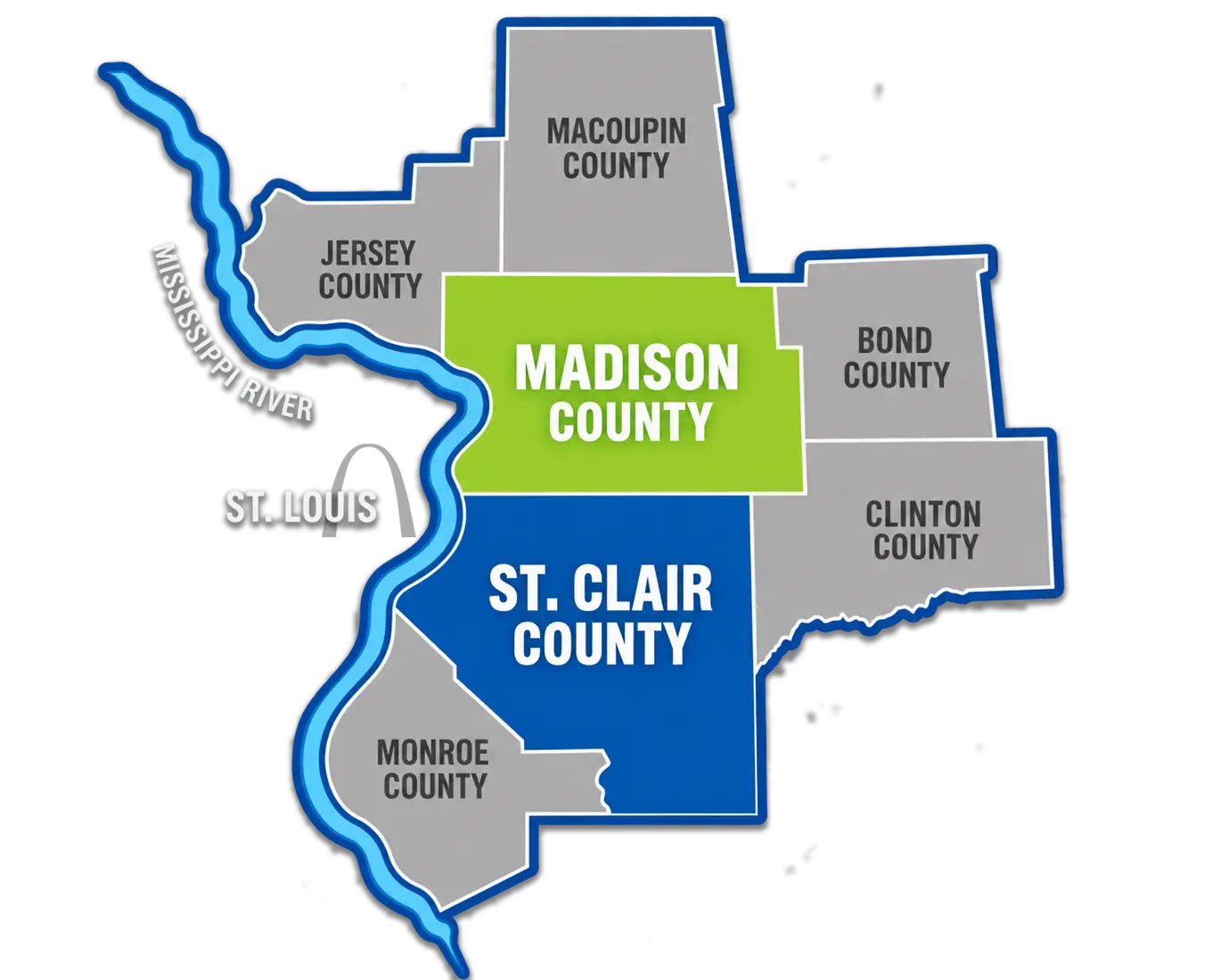
RCC Restoration is based near Maryville, Illinois, and provides professional mold remediation throughout Madison County, St. Clair County, and the St. Louis Metro Area. Our service area includes communities such as Collinsville, Fairmont City, Granite City, Holiday Shores, Maryville, Mascoutah, Smithton, Troy, Worden, along with surrounding Metro East towns and neighborhoods. Whether a homeowner in Edwardsville needs a mold inspection, a Maryville property requires mold removal, a business in Belleville dealing with moisture-related mold, or a Shiloh home develops mold after water damage, RCC Restoration provides professional restoration services for residential and commercial properties. Our local service area allows property owners throughout both counties to access mold remediation, moisture control, cleanup, and related restoration services when indoor moisture problems affect their property.
For professional mold remediation throughout the Metro East, call RCC Restoration at 618.406.5121 and request service for your home or business.
Request Mold Remediation Services
Mold should not be ignored when it appears after leaks, flooding, high humidity, or other moisture problems. RCC Restoration provides professional mold remediation throughout Madison County, St. Clair County, Maryville, Edwardsville, Belleville, and surrounding St. Louis Metro Area communities. Our team helps property owners evaluate affected areas, identify moisture concerns, contain the work area when appropriate, remove damaged materials, clean affected surfaces, and restore impacted spaces.
Depending on the situation, your property may benefit from professional mold inspection, complete mold removal, specialized black mold removal, or remediation for mold after water damage. By addressing both visible conditions and the moisture problems connected to mold development, RCC Restoration provides a more complete path from initial evaluation through cleanup and restoration. We serve homeowners, business owners, commercial properties, and other Metro East customers dealing with mold-related property damage.
Do not let mold and moisture continue affecting your property—contact RCC Restoration today for professional mold remediation and restoration services throughout Madison and St. Clair Counties.